Safety
The road ahead is safer, thanks to a wide range of state-of-the-art technologies developed by automakers that are helping save lives right now. From vehicle design and innovations that help protect occupants in the event of a crash to features that can help drivers avoid an accident in the first place, roadway safety is the auto industry’s top priority.





Vehicle and Roadway Safety
Automakers have spent decades advancing vehicle safety, improving vehicle structures and developing more effective restraints that protect occupants and other road users when crashes occur. The next era of safety increasingly focuses on preventing crashes altogether.
Roadway safety depends on multiple mutually-reinforcing layers of protection. Safer vehicles and emerging crash-avoidance technologies complement responsible road user behavior, safer infrastructure, appropriate speeds and effective post-crash care. Through innovation, data-driven policy and collaboration with government, safety advocates and other stakeholders, automakers are constantly working to reduce the likelihood of crashes and minimize harm when crashes occur.
Data-Driven
Alliance for Automotive Innovation supports a data-driven approach to guide public policy and improve vehicle safety. Real-world crash data, research and testing help identify safety challenges and evaluate how vehicle technologies can address them.


Proactive
The auto industry invests billions of dollars in the research and development of new and innovative safety technologies to help prevent or reduce the severity of crashes on our roads.

Collaborative
Alliance for Automotive Innovation is committed to working with federal, state and local governments, safety advocates, researchers and other partners to identify opportunities to reduce crashes, injuries and fatalities for all road users.


Safety By Design
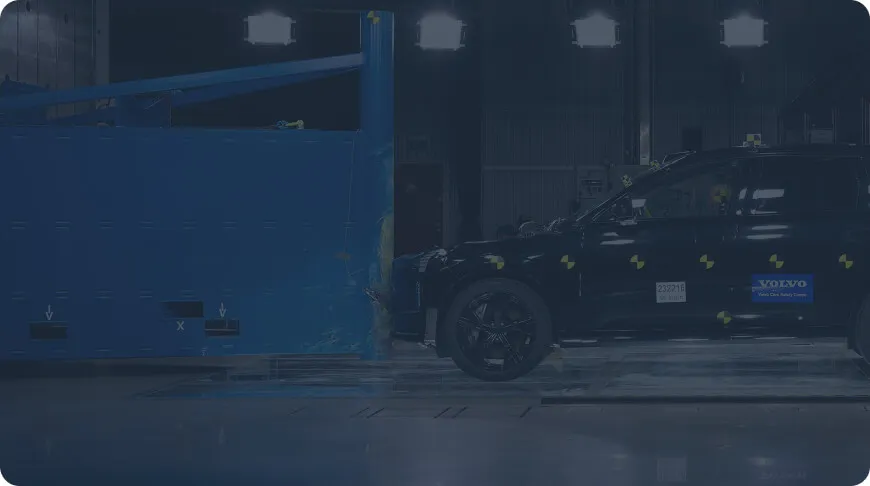
Vehicles today are safer than they’ve ever been, and automakers continue to make significant progress in improving crash injury outcomes. Notable advancements include improved vehicle structures, advanced restraint systems, and innovative airbag designs that work together to manage crash forces and help reduce the risk of injury. Automakers also support efforts to increase seat belt use and, for decades, have voluntarily and proactively installed seat belt reminder systems across the vehicle fleet.
The industry also uses a wide range of tools to support continued crashworthiness improvements, including male and female test dummies, devices to evaluate pedestrian head and leg impacts, and simulation tools that can assess crash protection for occupants of different sizes.
Building on decades of crashworthiness progress, automakers are increasingly developing technologies that can help avoid crashes altogether. Advanced driver assistance systems (ADAS) can warn drivers of potential hazards and, in certain conditions, intervene through braking or steering. These avoidance technologies add another layer of protection alongside industry advancements that are proven to reduce injuries when crashes occur.

New Car Assessment Program
Consumer information programs are essential tools for raising awareness about the benefits of new and innovative safety technologies in the market.
The National Highway Traffic Safety Administration’s New Car Assessment Program (NCAP) – also known as the 5-Star Safety Ratings program – can be a valuable resource for informing consumers about the relative safety performance of vehicles, and provide an effective, nonregulatory way to promote the adoption of new safety designs and technologies.
Alliance for Automotive Innovation has developed a comprehensive set of recommendations to improve the program and ensure the U.S. reestablishes itself as a leader in advancing safe vehicles on our roadways that includes: enhancing public awareness, improving program effectiveness and maintaining a road map for success.
Recall Awareness
Automakers monitor vehicle performance, investigate issues when performance falls short of design intent, and take action when needed (e.g., issuing a recall). Recalls reflect a commitment to safety and customer satisfaction, and automakers encourage consumers to have recalled vehicles repaired – free of charge – as soon as possible.
The industry works with the National Highway Traffic Safety Administration (NHTSA) to maximize recall participation rates and ensure effective recall campaigns. The goal of automakers: reach a 100 percent completion rate for recalled vehicles on the road.
Clear Regulations
Developing new vehicles is a multiyear process that requires billions of dollars in annual investment before they reach consumers. The process begins with a design concept, followed by research and engineering to develop the vehicle’s structure, systems and features. Manufacturers then build prototypes and conduct extensive testing to evaluate vehicle safety, performance and durability. Before production can begin, they must also prepare factories, coordinate with suppliers and ensure vehicles meet applicable regulatory requirements.
Throughout this process, automakers must plan for the rules that will apply when a vehicle enters production, including requirements that are still being developed. Clear regulatory timelines help manufacturers make informed decisions, commit resources and prepare for future changes. Manufacturers need clear, predictable regulations to plan for the future. This helps reduce costs for consumers and keeps the auto industry in America globally competitive.
Explore Our Other Policy Pillars



Stay Informed
Get the latest policy updates and industry insights delivered to your inbox.