Driving Improvements in Safety
Vehicles today are safer than they’ve ever been, and automakers continue to make significant progress in improving roadway safety through the development of innovative technology to prevent or reduce the severity of crashes, protect road users in the event of a collision, and support and encourage safer driving behavior.
Technology
Preventing Crashes
The auto industry has invested billions of dollars in advanced driver assistance systems (ADAS) to help prevent crashes and reduce injuries. These technologies use sensors to detect potential hazards, warn drivers and, in certain conditions, automatically apply the steering or brakes to help avoid a crash or reduce its severity. Advanced headlights also help drivers see the road more clearly.
It is crucial that the right policy frameworks are in place to support future innovation and encourage awareness and adoption of technologies with proven safety benefits. Public education also helps drivers understand these systems’ capabilities and limitations. Our members are committed to working with stakeholders to advance these goals.

Technology
Protecting People
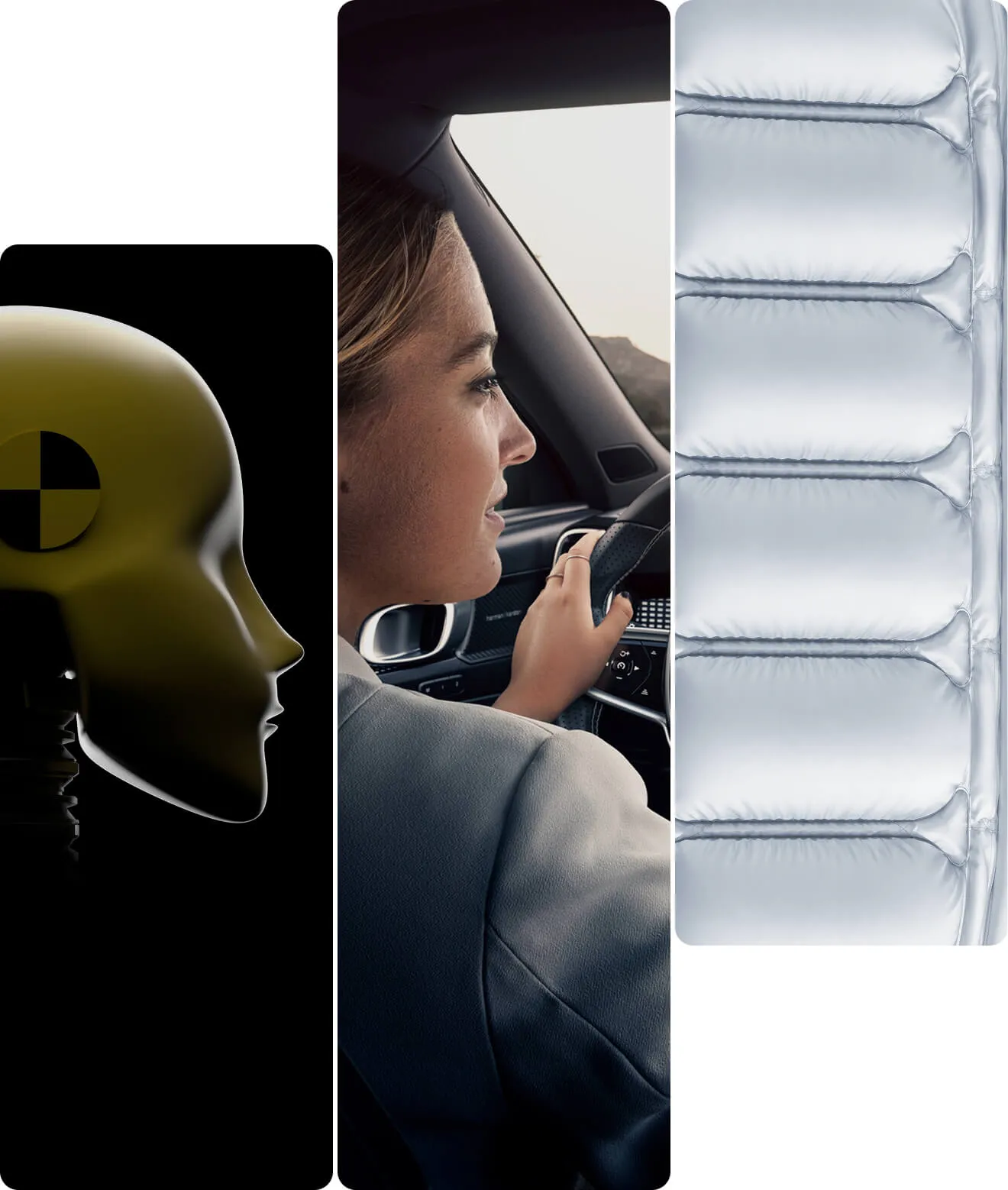
Crash protection is essential to reducing injuries and saving lives. Manufacturers and suppliers use real-world crash data to design vehicle structures, seat belts and airbags that manage crash forces and help protect occupants in frontal, side and rollover crashes.
Roadway safety also includes post-crash care. Automakers and suppliers are developing systems that support first responders and health care providers. Automatic crash notification systems can alert emergency services within seconds, sharing information about a crash — even before someone calls 911.
Technology
Promoting Safer Driving Behavior
Automakers are introducing technology that helps people make safer choices behind the wheel. Speeding, driving while impaired and not wearing a seat belt continue to contribute to many crashes and deaths on our roads each year. Public education can help people understand the risks, while driver-support features can encourage safer driving.
Safety features include seat belt reminders for front and rear seat occupants, sensors that can detect when a driver may be tired, distracted or impaired, and intelligent speed assistance systems that can alert drivers to excessive speeding. Automakers also have developed guidelines for infotainment systems to help drivers keep their hands on the wheel and eyes on the road. Rear seat reminders that prompt drivers to check for children at the end of a trip are also widely available across the vehicle fleet.


Stay Informed
Get the latest policy updates and industry insights delivered to your inbox.