Energy &
Environment
Cleaner air, smarter standards, and the policy framework America’s auto industry needs to lead the transition to electrified, low-emission transportation.





98–99%
Cleaner
New passenger vehicles are 98–99 percent cleaner… when compared to vehicles from the 1960s — despite a nearly 200% increase in annual miles traveled.
Vehicle Emissions
Today’s vehicles are cleaner, safer, and smarter than ever. The auto industry in America supports reasonable and achievable vehicle emission regulations that continue to reduce emissions, preserve consumer choice and vehicle affordability, and foster innovation.
Balanced emission regulations support U.S. economic competitiveness and national security.

Fuel Economy &
Greenhouse Gas
Emissions
The auto industry in America is committed to reducing vehicle greenhouse gas emissions and improving fuel economy.
One of the biggest challenges facing the auto industry is frequent and severe swings in automotive policies. The auto industry needs a stable national policy that establishes a pathway for long-term economic investment in the U.S. — reasonable, balanced and achievable standards that are technology neutral, aligned with market conditions, and that consider vehicle affordability and consumer choice.
Automakers and their supplier partners continue to innovate — reducing greenhouse gas emissions and improving fuel economy.
15%
reduction in avg. new vehicle tailpipe GHG emissions over the past decade
1975
13.1
MPG
Today
28.1
MPG


As regulatory expectations continue to evolve, the auto industry is also addressing supply chain transparency, material reporting, product stewardship obligations and the evaluation of alternative materials.
Substances of Concern
The auto industry in America manages chemicals and substances used in motor vehicles, automotive components and replacement parts throughout the product lifecycle. This includes involvement in evolving chemical regulatory requirements that may affect vehicle design, manufacturing, distribution, service and end-of-life management — while maintaining high standards for vehicle safety, performance, sustainability and regulatory compliance.
Industry priorities range from compliance with federal chemical regulations such as the Toxic Substances Control Act (TSCA) to a growing number of state-level chemical reporting, disclosure, warning and restriction requirements.
Electric Vehicles
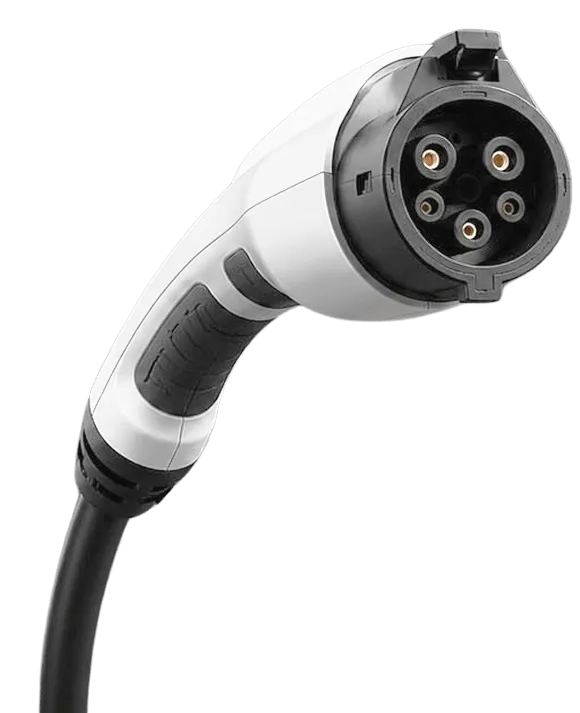
The auto industry in America is leading the transition to vehicle electrification through investment in electric vehicles, charging infrastructure, battery technology and advanced manufacturing.
Alliance for Automotive Innovation supports public policies that support consumer adoption, infrastructure deployment, supply chain resilience and long-term market growth.
Advocacy priorities include policies affecting EV design, manufacturing, sales and consumer incentives; deployment of reliable and accessible charging infrastructure across residential, commercial, fleet and public charging applications; and regulatory frameworks that support interoperability, grid integration, permitting efficiency and streamlined infrastructure investment.


242K
Public Chargers
The industry supports policymaker efforts to develop secure and competitive EV battery supply chains, access to critical minerals, expansion of domestic processing and manufacturing capacity — as well as trade policy, sourcing requirements, and incentives that support North American production.
Automakers and suppliers are engaged in policies related to battery reuse, second-life applications, end-of-life management and recycling to support a more circular economy and keep valuable materials in the supply chain.
Explore Our Other Policy Pillars
-
Safety
The road ahead is safer, thanks to state-of-the-art technologies developed by automakers.
-
Technology
Today’s automobile represents the most sophisticated technology owned by most consumers.
-
Industry Competitiveness
Automakers are fueling innovation, economic growth, and national security at global scale.



Stay Informed
Get the latest policy updates and industry insights delivered to your inbox.